

Do you notice changes in your dog’s behavior? Your furry friend may suffer from dog depression. Dog depression is a real and often overlooked issue. As a loving owner, you can recognize the signs. More importantly, you can offer effective dog depression remedies. You will learn how to help your dog feel happy again. We will cover causes, symptoms, and practical solutions.
Recognizing the Signs of Dog Depression
A dog’s happiness is usually obvious. Their sadness can be subtle, though. You must observe your dog’s daily habits closely.
Common Symptoms You Should Watch For
Your dog might show decreased activity. They sleep much more than usual. A depressed dog often loses interest in play. They ignore favorite toys and games. Eating habits also change significantly. Some dogs eat less or refuse food completely. Others may start eating excessively. They often show weight changes as a result.
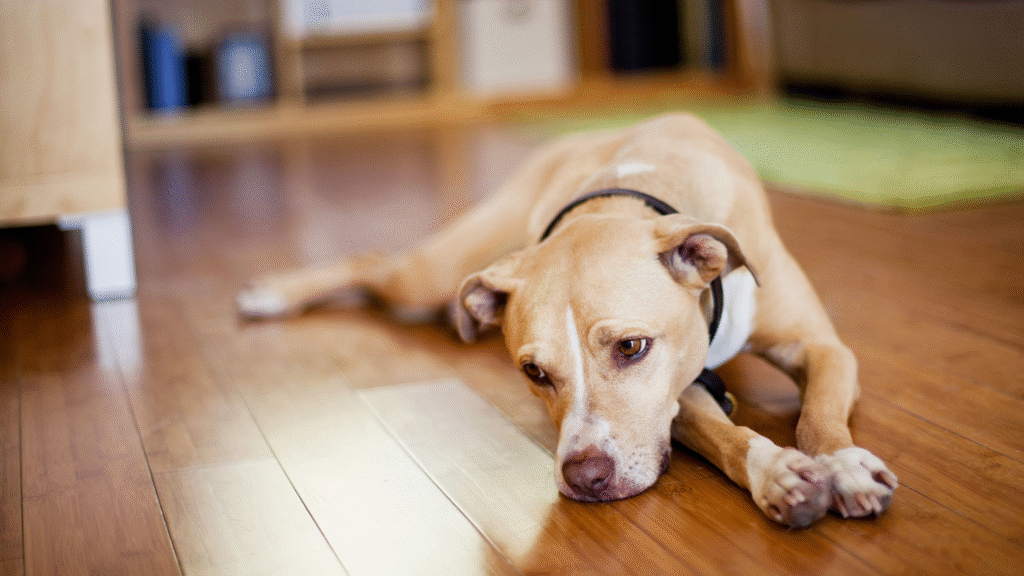
A change in vocalization is another sign. Your dog might whine or howl more. Conversely, they may become unusually quiet. They might also exhibit destructive behavior. This is often an anxious response to their sadness. Pay attention to how your dog interacts. They may become withdrawn from family members. Some dogs become clingy instead. They follow you constantly for reassurance. If you notice these signs, your dog needs help.
What Causes Dog Depression?
Understanding the cause helps you find the right remedy. Several factors can trigger sadness in dogs.
Environmental and Emotional Triggers
Major changes often cause dog depression. Moving to a new home is a common trigger. The loss of a companion pet deeply affects dogs. Dogs also mourn the loss of a human family member. A significant shift in routine can be stressful. Your dog relies on a predictable schedule.
You May Read This: Side Effects of Energy Drinks On Mental Health: What You Really Need to Know
Physical illness also impacts mood. Pain or discomfort makes a dog lethargic. Always rule out a medical issue first. A quick check-up is essential for this reason. Some breeds are more prone to anxiety. This anxiety can easily lead to depression. Boredom and lack of stimulation are culprits too. Your dog needs mental and physical challenges.
Effective Dog Depression Remedies
Fortunately, you can take several actions now. You have the power to lift your dog’s spirits. These practical steps form the core of effective dog depression remedies.
Step 1: Increase Physical and Mental Stimulation
Exercise is a great natural antidepressant. Take your dog for longer walks. Introduce new walking routes and parks. This offers novel scents and sights. Scent work and puzzle toys engage their brains. Mental exercise is just as important as physical activity. Teach your dog a new trick. Learning builds confidence and focus. Start with simple commands like “shake” or “roll over.” You must make every session fun and positive.
Step 2: Reinforce Positive Social Interaction
Your bond with your dog is crucial. Spend quality time with your dog daily. Make a point to pet and talk to them often. Use a cheerful, upbeat voice. Positive praise reinforces happy behavior. If the dog is grieving, allow extra closeness. Consider adopting a new pet carefully. A new friend can provide company and play. However, introduce new pets slowly and safely.
Step 3: Stick to a Consistent Routine
Dogs thrive on predictability. Establish a fixed schedule for everything. This includes feeding times and walk times. Maintain consistency in your waking and bedtime. A reliable routine reduces overall stress. It gives your depressed dog stability. This consistency helps them feel secure again.
Step 4: Consult Your Veterinarian
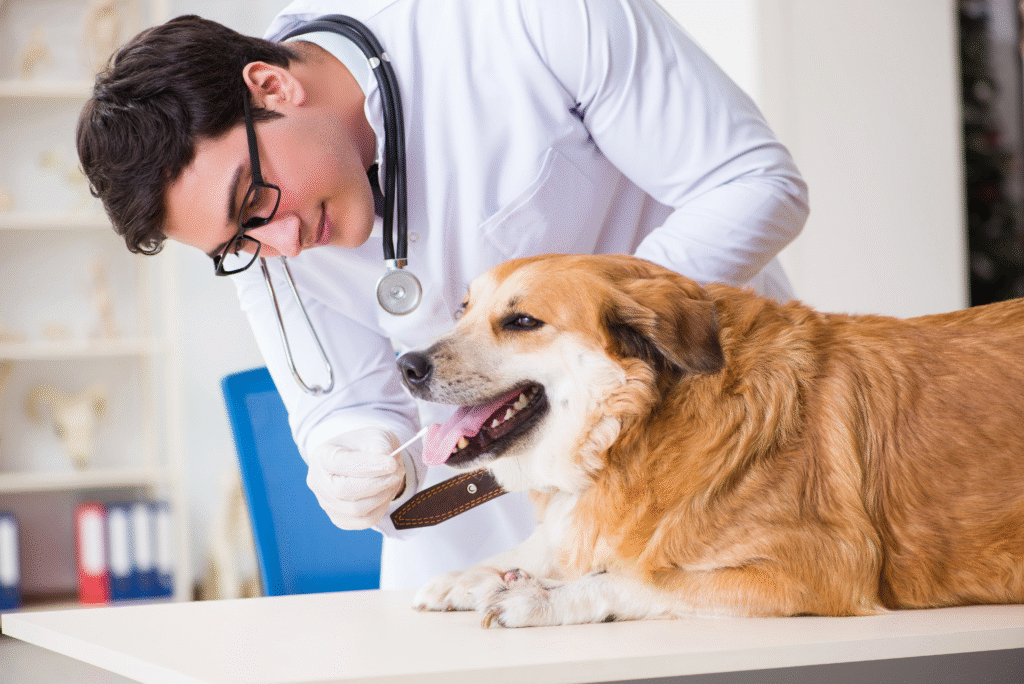
You must address any underlying health issues. Schedule a full check-up with your vet. The vet can rule out pain or illness. They may recommend nutritional supplements. For severe or long-lasting cases, medication helps. Your vet might prescribe canine anti-anxiety medicine. They may also suggest a certified veterinary behaviorist. A specialist offers targeted behavior modification plans. Do not give your dog human medications.
You May Read This: Seasonal Affective Disorder: Tips for Dealing with Seasonal Depression
Be Patient and Positive
Curing Dog Depression takes time and effort. You must remain patient throughout this process. Do not get frustrated by slow progress. Celebrate small victories, like a wagging tail. Your positive attitude influences your dog. They sense your mood and energy. Provide a loving, stable, and stimulating home. These steps create a powerful combination. You actively heal your dog’s depression. With your support, your dog will regain their joy. They will soon return to their happy, playful self. This commitment ensures your dog’s lasting well-being.
Frequently Asked Questions (FAQs)
1. Can dogs die from depression?
No, dogs cannot die directly from sadness or depression. However, severe depression often causes a refusal to eat or drink. This lack of essential nourishment can quickly lead to life-threatening conditions like dehydration and malnutrition.
2. How to Cure a Depressed Dog?
You help your depressed dog by addressing both their physical and emotional needs. Increase their daily physical exercise and mental stimulation. Maintain a strict, predictable routine. Most importantly, provide positive, consistent affection and attention to rebuild their sense of security.
3. What is the very first step if I suspect my dog is depressed?
The first step is always to schedule a full check-up with your veterinarian. Symptoms of depression, like lethargy and appetite changes, are often signs of an underlying medical issue or chronic pain. You must rule out a physical cause before starting behavioral treatment.
4. How long does it usually take for a depressed dog to recover?
Recovery time varies greatly. Mild depression may improve within a few weeks with increased care and routine. Depression caused by grief or a major life change may take several months. Consistency and patience from you are the most important factors.
5. Can my dog’s depression be cured with medication?
Yes, medication can help with severe or long-lasting cases. After ruling out physical causes, a veterinarian may prescribe anti-anxiety or antidepressant medications (like Fluoxetine). Medication works best when combined with the behavioral and environmental changes outlined in the article.

