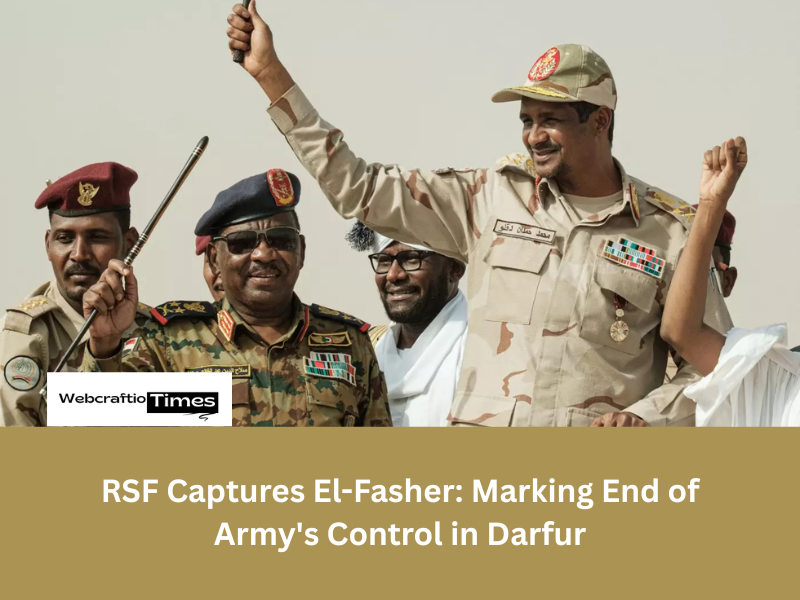
The Rapid Support Forces (RSF) secured a major victory. They now control El-Fasher, North Darfur’s capital. This marks a grim milestone in Sudan’s civil war. The city was the Sudanese Armed Forces’ (SAF) final urban bastion in Darfur. Its fall creates an immediate and severe humanitarian crisis.
General Abdel Fattah al-Burhan leads Sudan’s army. He confirmed his troops’ withdrawal. They left the Sixth Division headquarters. This happened late Monday. Al-Burhan stated the decision was difficult. It aimed to prevent RSF destruction. This move saved civilians.
RSF Captures El-Fasher Amid Atrocity Warnings
The aftermath of RSF Captures El-Fasher is terrifying. Fear grips the city. Reports of grave human rights violations are emerging. The United Nations issued urgent warnings.
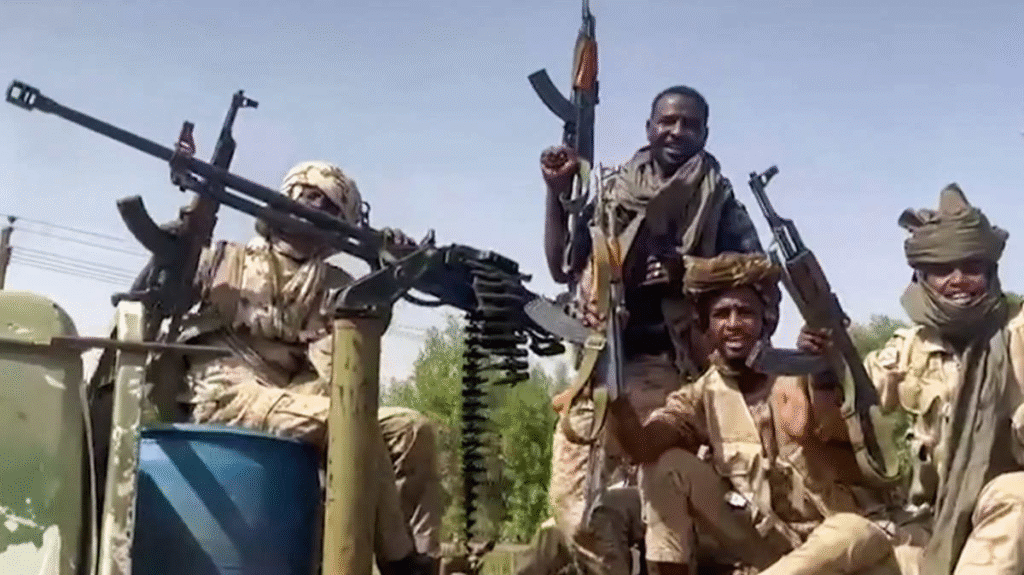
The UN Human Rights Office (OHCHR) received reports. RSF fighters executed civilians. They also killed unarmed men. These killings show ethnic motivations. This mirrors past Janjaweed atrocities. The Janjaweed operated in Darfur previously. The RSF evolved from them.
On Trending Now: U.S.-China Talks: Asian Markets Rise After Trump Asia Tour
Hundreds of thousands of civilians are trapped. Estimates range from 250,000 to 300,000 people. Many are children. They endured an 18-month RSF siege. They lack food, water, and medicine. Aid deliveries remain blocked.
Mass displacement followed the takeover. Over 26,000 people fled quickly. This happened in just 48 hours. They went to nearby towns. Tawila is one such town. These areas are already overwhelmed. Humanitarian teams describe new arrivals. They are dehydrated and malnourished. Many are injured and traumatized.
Healthcare infrastructure collapsed. Attacks targeted civilian sites. Hospitals were especially hit. The World Health Organization (WHO) is outraged. The last functional hospital suffered an assault. A nurse died in the attack. Other health workers were injured. This loss devastated local care.
A New Chapter: Darfur’s Full Control
The RSF Captures El-Fasher represents a strategic victory. It gives the paramilitary group full control. They now hold all five state capitals in Darfur. This territorial consolidation raises alarms. Analysts fear a potential partition. The RSF could establish a parallel government. This government would operate in their controlled areas.
UN Secretary-General António Guterres called the escalation “terrible.” He urged foreign actors to stop. They should cease fueling the conflict. Weapons supplies worsen the war. The UN Security Council demanded a ceasefire. They also called for siege’s end. This would avert a catastrophe. Their demands went unheeded.
The RSF states intentions to protect civilians. They claim to secure the streets. However, local and international groups disagree. They document horrific abuses. These include widespread looting. Arbitrary arrests are common. Civilians face systematic targeting. These actions constitute war crimes.
The world watches El-Fasher now. The siege itself has ended. Yet, an existential threat remains. It hangs over the civilian population. The long-feared humanitarian nightmare has arrived.
The Broader Conflict: Darfur’s Role
Darfur is central to Sudan’s ongoing civil war. This war began in April 2023. It pits the SAF against the RSF. Darfur holds deep significance for the RSF. Their leader, Hemedti, hails from Darfur. The RSF sees it as their home base.
The RSF’s roots trace back directly. They emerged from the Janjaweed militias. These militias committed past atrocities. They acted during the 2003 Darfur conflict. Hemedti was a key Janjaweed commander. This history casts a dark shadow.
The 2003 conflict involved ethnic cleansing. Government forces and Janjaweed targeted non-Arabs. Groups like the Fur, Masalit, and Zaghawa suffered. They faced mass killings and rape. and burned villages. This past informs current fears.
The RSF Captures El-Fasher ignites these fears. Reports of renewed ethnic violence are concerning. The RSF and allied militias are implicated. They target the same non-Arab communities. This mirrors the genocide era. The international community must act. It needs to prevent further atrocities.
International Response and Future Outlook
The international community condemned the fall. They called for immediate humanitarian access. They also demanded civilian protection. The situation demands urgent action. Millions face starvation across Sudan. The conflict displaced vast numbers.
Aid organizations struggle to respond. Funding gaps persist. Security challenges block operations. The future for Sudan looks bleak. Darfur’s full capture changes the war. It strengthens the RSF’s position. This complicates peace efforts.
Negotiations have stalled repeatedly. Both sides show little willingness to compromise. The people of Sudan pay the price. They endure immense suffering daily. The conflict in Darfur is a microcosm. It shows the brutality of the entire war. The capture of El-Fasher is a tragic chapter. It is a chapter of loss and despair.
The world must not look away. The suffering in El-Fasher is immense. More aid is desperately needed. A political solution remains vital. It is the only path to lasting peace. This brutal conflict must end.
5 FAQs on the Fall of El-Fasher
1. Who is fighting for control in El-Fasher, Sudan?
The fighting is between the Sudanese Armed Forces (SAF), which withdrew, and the paramilitary Rapid Support Forces (RSF), which has claimed control of the city.
2. Why is El-Fasher’s capture a major turning point in the war?
The SAF controlled El-Fasher, which was the last major city in the entire Darfur region. Its capture gives the RSF complete military control over all five Darfur states.
3. What is the main humanitarian concern following the RSF takeover?
The main concern is the immediate threat of mass atrocities and ethnically-motivated killings against the hundreds of thousands of civilians trapped inside the city, along with catastrophic shortages of food and medical aid.
4. What is the RSF’s historical connection to Darfur’s past conflicts?
The RSF is a modern evolution of the notorious Janjaweed militias that were responsible for the genocide and mass atrocities committed against non-Arab groups in the Darfur region in the early 2000s.
5. Why did the Sudanese Army withdraw from their base?
General al-Burhan stated the army withdrew to prevent the “systematic destruction and killing of civilians” by the RSF and to spare the city from further devastation.
For More News & Updates: Click Here