

A clean kitchen forms the heart of a healthy home. You efficiently cook delicious meals there. However, a messy, greasy kitchen quickly creates stress. Stocking the correct tools makes cleaning faster and much simpler. Stop struggling with old, ineffective rags. Start using these seven kitchen cleaning tools today. You will achieve a sparkling clean space quickly and easily.
1. High-Quality Microfiber Cloths
Microfiber cloths top every cleaning expert’s list. They capture dirt, dust, and bacteria effectively. Their synthetic fibers absorb liquid much better than cotton. Use them for almost any kitchen task.
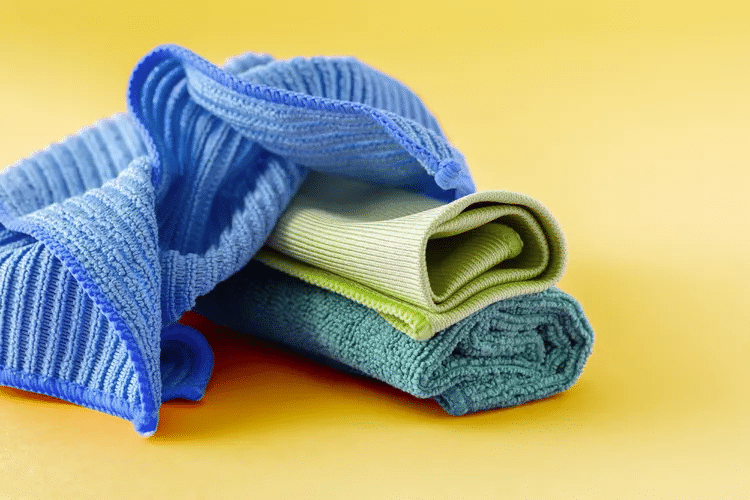
- You can wipe down countertops and appliance exteriors easily.
- You must use different colors for specific jobs.
- You should dedicate one color for raw food surfaces.
- You must wash them separately to maintain their quality.
- You save money by washing and reusing these cloths often.
Remember this simple rule: stop spreading grime and start trapping it.
2. Dual-Sided Scrub Sponges
A good sponge provides essential scrubbing power. Select dual-sided sponges for maximum versatility. One side offers soft absorbency for light wiping. The other side has an abrasive scourer for tough messes.
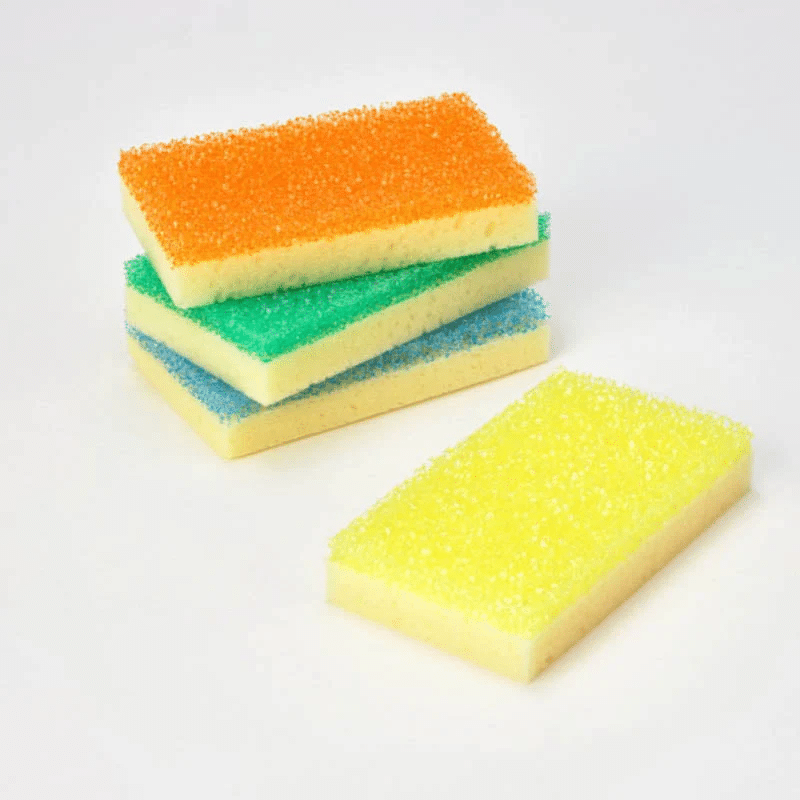
- You need the soft side for delicate dishware and glass.
- You use the abrasive side to attack baked-on food in pans.
- You should choose non-scratch versions for non-stick cookware.
- You must sanitize sponges frequently to kill germs.
- You can microwave a damp sponge for one minute to disinfect it.
- You must replace them every two weeks or when they smell bad.
You May Read This : The Detailed Guide to Halloween Costume Ideas for Everyone!
A fresh sponge makes daily sink duties a quick task.
3. Stiff-Bristled Scrub Brush
Some grime requires more strength than a sponge offers. You need a dedicated, stiff-bristled scrub brush. This tool applies serious elbow grease to tough, stuck-on dirt.
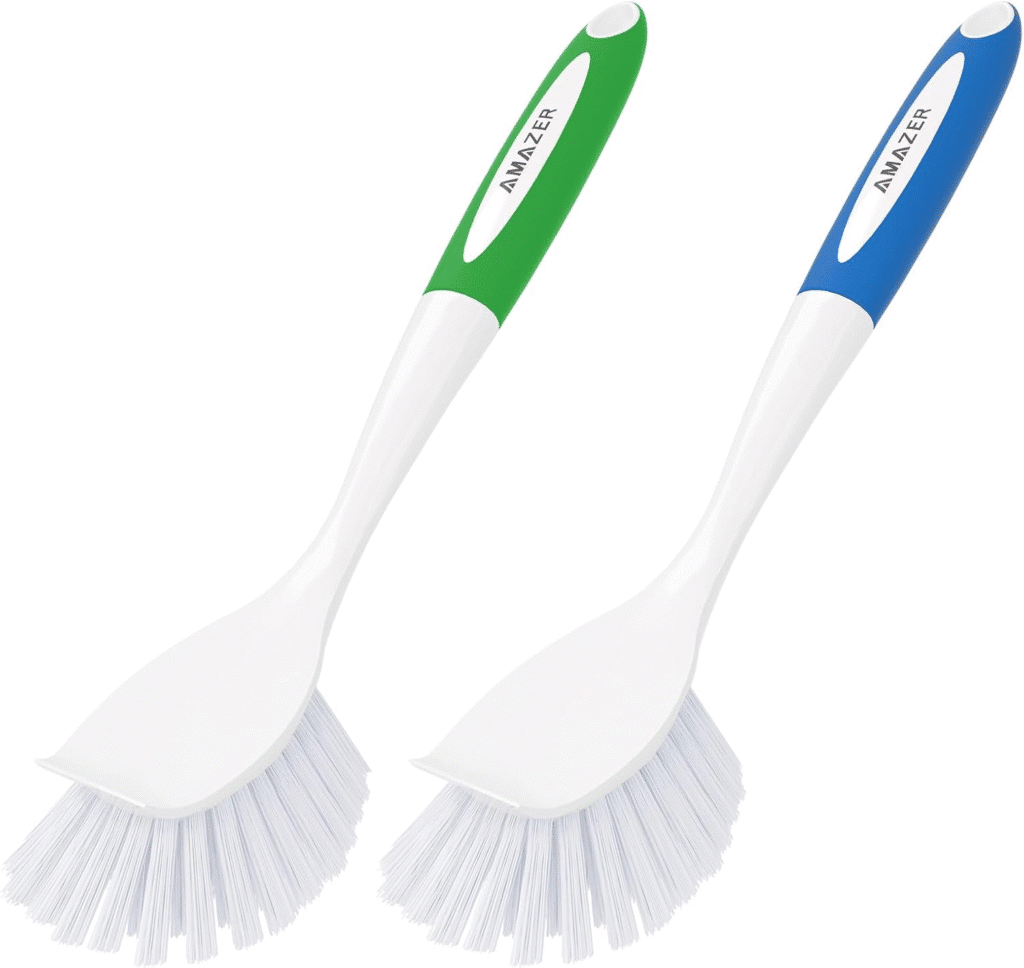
- You attack greasy stovetop grates with a scrub brush.
- You clean deep sink crevices where food particles hide.
- You can use a small detail brush, like an old toothbrush, for tight spots.
- You should select one with an ergonomic handle for a better grip.
- You easily remove stubborn messes without damaging surfaces.
Keep a stiff brush handy for heavy-duty weekend cleaning projects.
4. Rubber or Latex-Free Gloves
Protect your hands from harsh chemicals and hot water. Rubber or latex-free gloves are a true cleaning essential. They prevent skin irritation and protect manicures.

- You wear them when using strong degreasers and disinfectants.
- You protect your skin from exposure to harmful substances.
- You can handle really messy jobs without any hesitation.
- You must rinse and air-dry them after every cleaning session.
- You should check for holes regularly and replace them quickly.
Taking care of your hands makes cleaning a much more pleasant experience.
5. Multi-Purpose Plastic Scraper
A simple plastic scraper provides incredible power against caked messes. You will use it to lift sticky, dried food without scratching surfaces. Look for a scraper made from durable nylon or plastic.
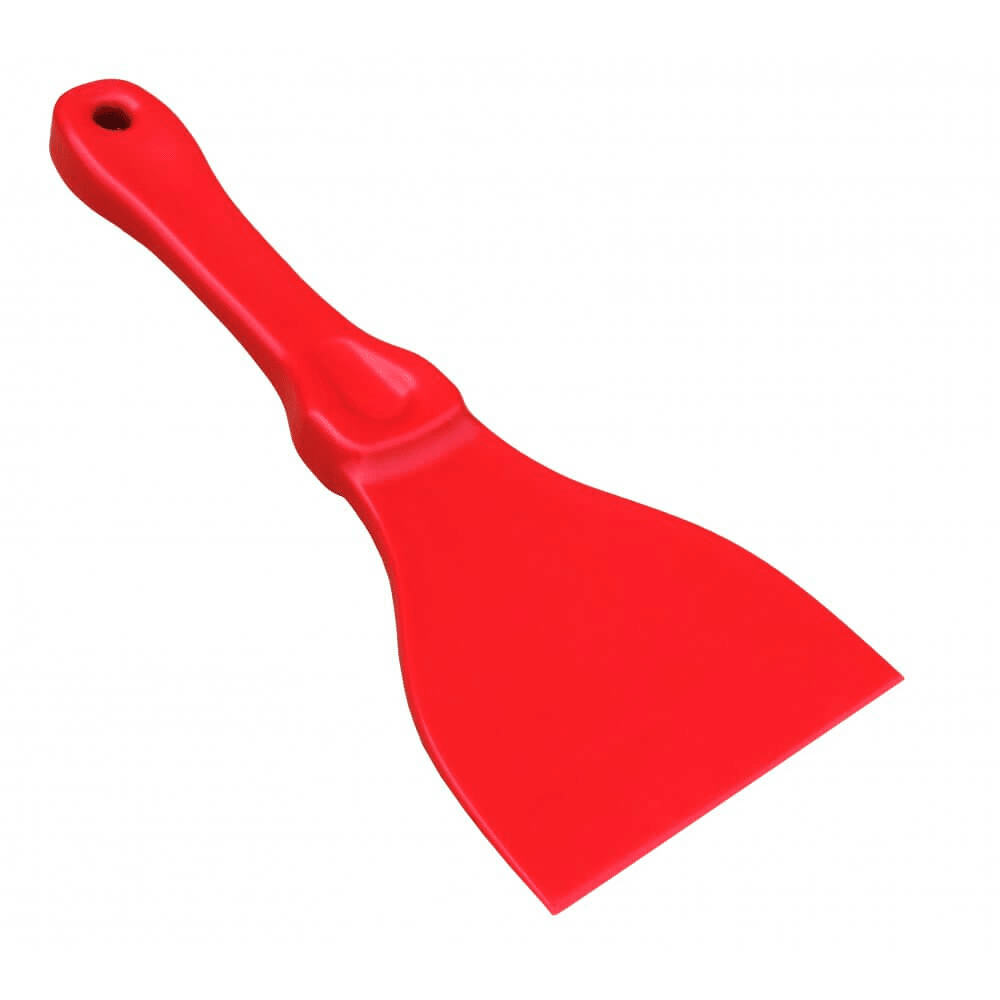
- You effectively scrape dried batter from your countertop.
- You lift burnt-on food from the cooktop before you wipe it.
- You remove sticky labels or gunk from kitchen equipment.
- You use the flat edge for flat surfaces and the corners for edges.
- You find it much safer than using a metal knife or razor blade.
This small, inexpensive tool saves immense scrubbing time and effort.
6. Small Handheld Vacuum or Dustpan Set
Kitchen floors constantly collect crumbs and dry debris. A small handheld vacuum or a compact broom and dustpan set offer a perfect solution. You easily manage small, quick floor messes immediately.
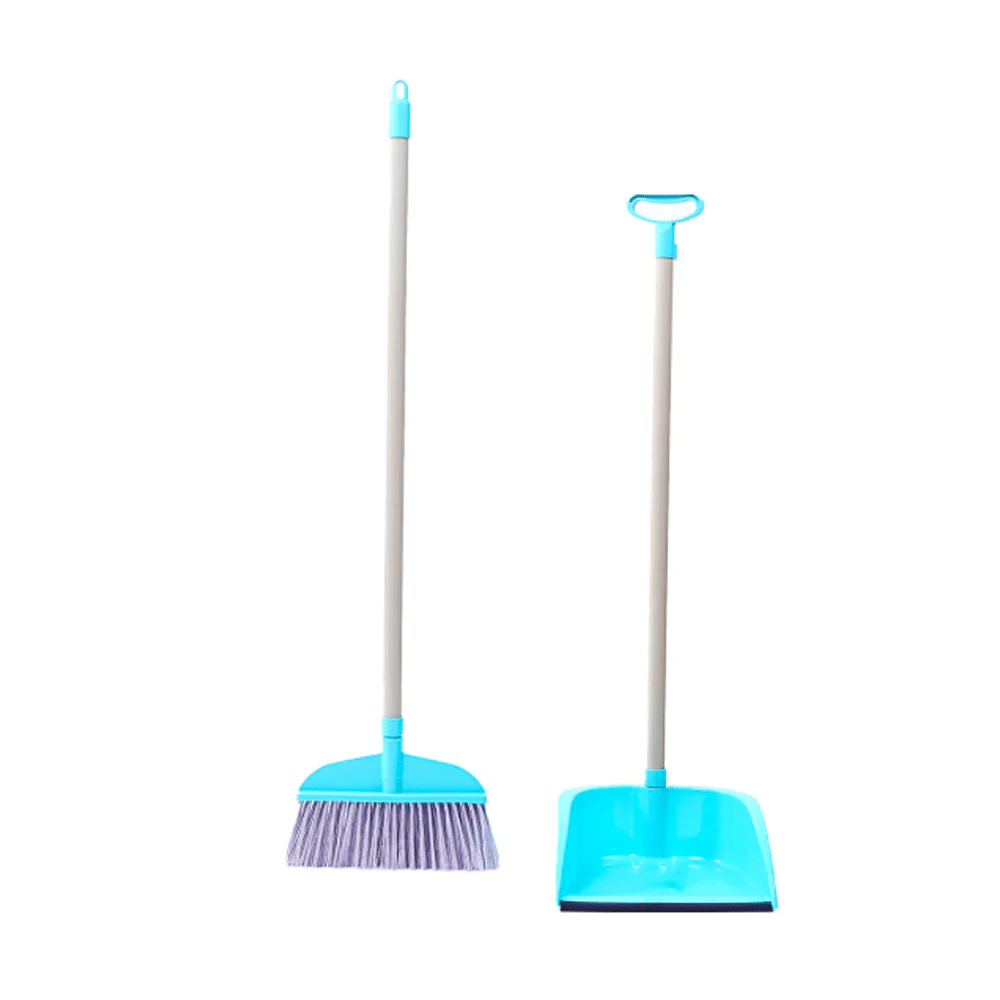
- You swiftly sweep up spilled flour or broken glass.
- You use a handheld vacuum for drawers and cupboard interiors.
- You clean quickly underneath your appliances and tight corners.
- You must choose a broom with angled or flagged bristles for fine dust.
- You look for a dustpan with a thin rubber lip for complete collection.
Immediate cleanup prevents debris from spreading to other rooms.
7. Grout and Detail Brush
Kitchen tile grout collects grease and grime over time. Standard sponges cannot reach those small, recessed areas. You need a specialized Grout and detail brush. This brush has very stiff, narrow, angled bristles.
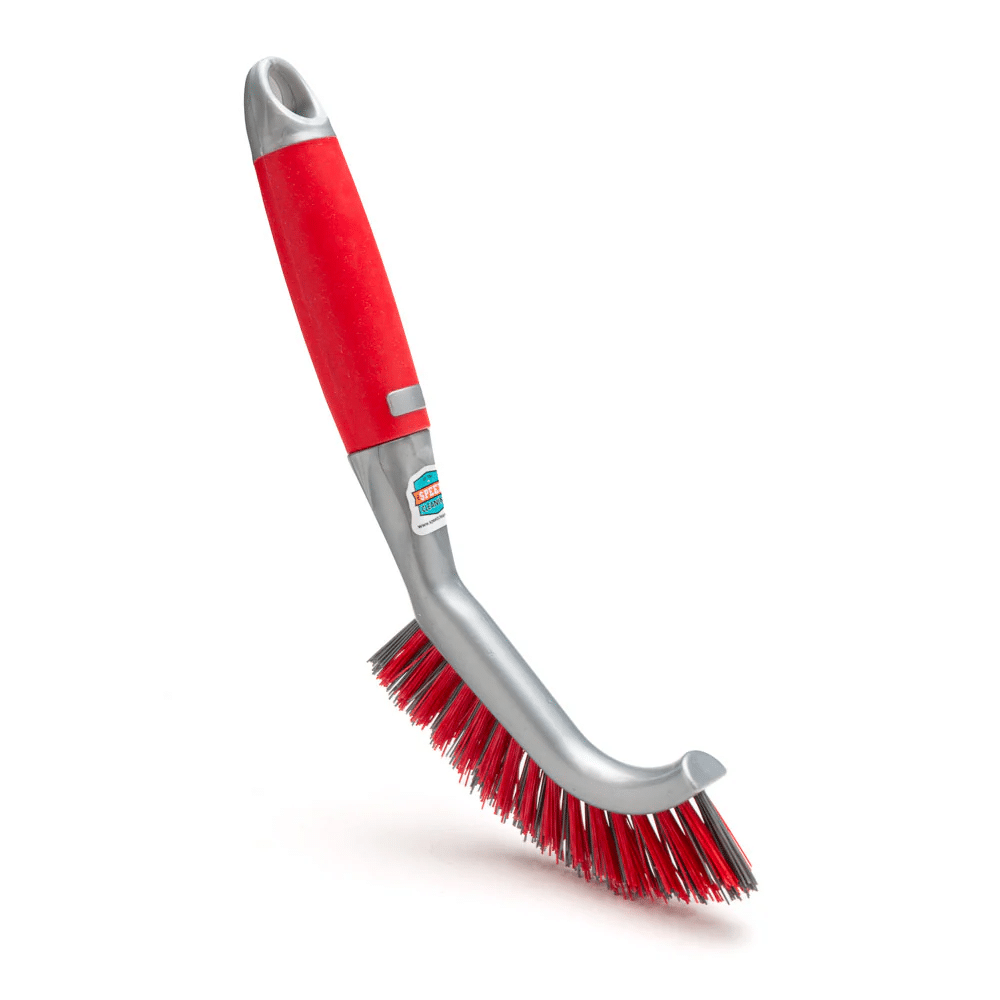
- You target mold, mildew, and deeply embedded dirt in grout lines.
- You also use it to scrub around the sink faucet base.
- You easily reach tight spots on the oven or refrigerator gasket.
- You pair it with a powerful, safe grout cleaner for best results.
- You restore your tiled kitchen floor or backsplash easily.
A dedicated detail tool makes a huge difference in overall cleanliness.
Final Thoughts on Essential Cleaning Tools
A clean kitchen significantly impacts your daily life and health. You improve sanitation and lower stress with the right equipment. Invest in these 7 essential kitchen cleaning tools today. You equip yourself for fast, efficient, and effective cleaning, You create a healthier, happier cooking environment for your family. You will wonder how you managed without these helpful tools before, You simplify the entire cleaning routine dramatically.
Frequently Asked Questions (FAQs)
Q1. How often must I replace my kitchen sponge?
A. You must replace a kitchen sponge every two weeks. Replace it immediately if it starts to smell.
Q2. Are microfiber cloths safe for all kitchen surfaces?
A. Yes, microfiber cloths are safe for nearly all surfaces. They clean stainless steel, granite, and glass effectively without scratching.
Q3. What is the best way to clean my stiff-bristled scrub brush?
A. You should rinse your scrub brush with hot, soapy water. Allow it to air-dry completely between uses to prevent mildew growth.
Q4. Can I use a plastic scraper on my non-stick frying pans?
A. Yes, you can use a smooth plastic scraper on non-stick pans. Apply gentle pressure to avoid causing any damage.
Q5. Where should I store my kitchen cleaning supplies?
A. You should store your cleaning supplies near where you use them. Keep essential tools under the kitchen sink for easy access.