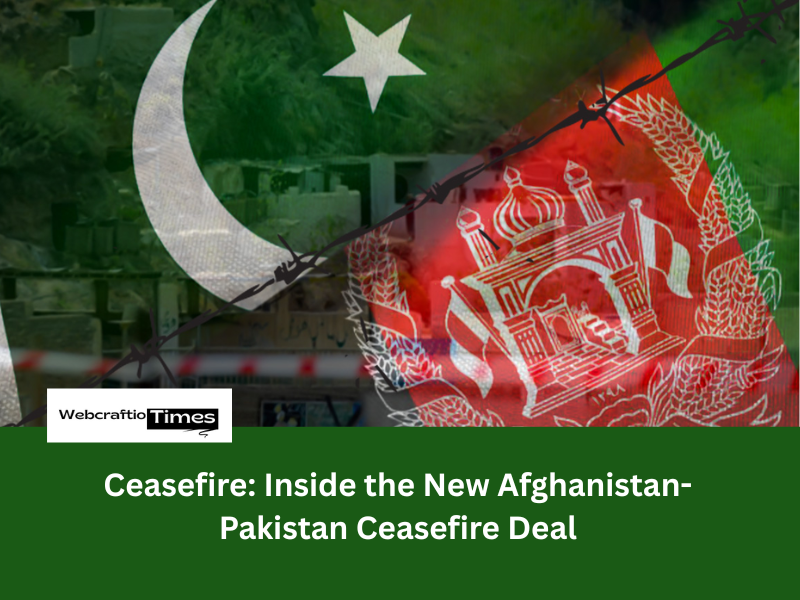
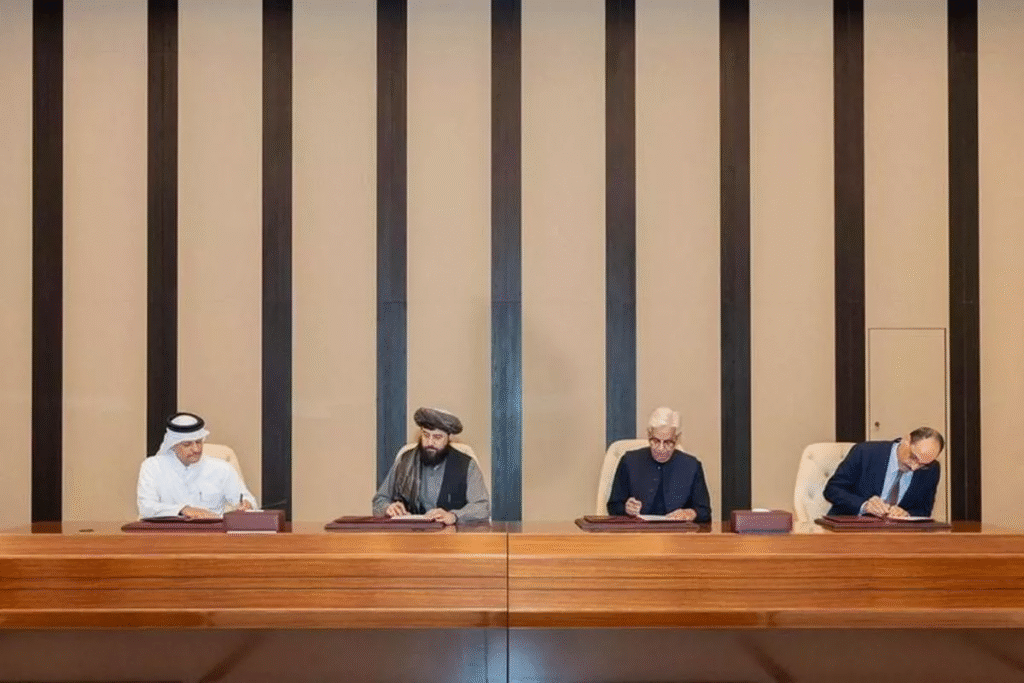
A critical Afghanistan-Pakistan ceasefire deal was announced on October 19, 2025, offering a vital pause to weeks of escalating violence. The agreement was reached in Doha, Qatar. It comes after intense border clashes that killed dozens and threatened to destabilize the region.
This new truce was not reached in isolation. It required high-level negotiations. The talks were mediated by Qatar and Türkiye, highlighting the serious international concern over the conflict.
The delegations were led by their respective defence ministers. For Pakistan, Defence Minister Khawaja Asif led the talks. For Afghanistan, acting Defence Minister Mullah Muhammad Yaqoob headed the delegation. Their direct involvement signals the gravity of the situation.
But with a long history of mistrust and the core issue of TTP militants unresolved, a crucial question remains: Will this ceasefire hold
The Path to Doha: The Doha Agreement
The negotiations in Doha did not happen in a vacuum. They were a direct result of the worst violence between the two neighbours in years.
Tensions ignited earlier in October. They quickly spiraled from minor skirmishes into heavy cross-border shelling and even airstrikes. Pakistan and Afghanistan both accused the other of initiating the aggression.
The Core Complaint
Pakistan’s primary grievance stems from militant attacks on its soil. Islamabad has long accused the Taliban-led government in Kabul of sheltering the Tehreek-e-Taliban Pakistan (TTP). The TTP is a militant group separate from the Afghan Taliban but shares a common ideology.
Pakistan claims the TTP uses Afghan territory as a safe haven. From there, they plan and launch deadly attacks against Pakistani security forces and civilians.
The Taliban’s Response
The Afghan Taliban government has consistently denied these accusations. They insist they do not allow Afghan soil to be used against any other country.
Instead, they accused Pakistan of violating their sovereignty with airstrikes. The situation deteriorated rapidly. Dozens of soldiers and civilians on both sides were killed, and hundreds more were injured. This deadly cycle pushed both nations to the negotiating table.
What Is in the New Ceasefire Agreement?
The Doha agreement is more than just a pause in fighting. It attempts to lay a foundation for a more stable relationship. According to statements from both sides and the Qatari mediators, the deal includes several key provisions.
An Immediate Halt to Hostilities
The first and most urgent clause is an immediate and comprehensive ceasefire. Both countries have agreed to stop all military actions against each other. This includes cross-border firing, shelling, and drone operations.
Commitments on Militant Groups
This is the most significant part of the deal for Pakistan. The Afghanistan Pakistan Ceasefire Deal reportedly includes a commitment that neither side will support or provide safe haven to groups launching attacks against the other.
This clause directly targets Pakistan’s concerns about the TTP. Afghanistan’s willingness to sign this commits them, at least on paper, to addressing the TTP presence.
Protecting Civilians and Infrastructure
Both nations also pledged to refrain from targeting civilians, security forces, and critical infrastructure. This is a crucial humanitarian component. It aims to prevent the kind of collateral damage seen in the recent clashes.
A Mechanism for Dialogue
The Afghanistan-Pakistan ceasefire deal is not a final solution. It is a first step. Both sides agreed to establish mechanisms for dialogue to resolve disputes peacefully.
To ensure the deal is implemented, a follow-up meeting is already scheduled. Delegations are set to meet again in Istanbul, Türkiye, on October 25, 2025. This meeting will focus on the “nuts and bolts” of ensuring the ceasefire is sustainable.
The TTP Issue: The burden in the Relationship
Understanding the TTP is essential to understanding this conflict. The ceasefire’s long-term success depends entirely on this issue.
The TTP, or Pakistani Taliban, has waged a long insurgency against the Pakistani state. When the Afghan Taliban took power in Kabul in 2021, Pakistan initially hoped they would crack down on the TTP.
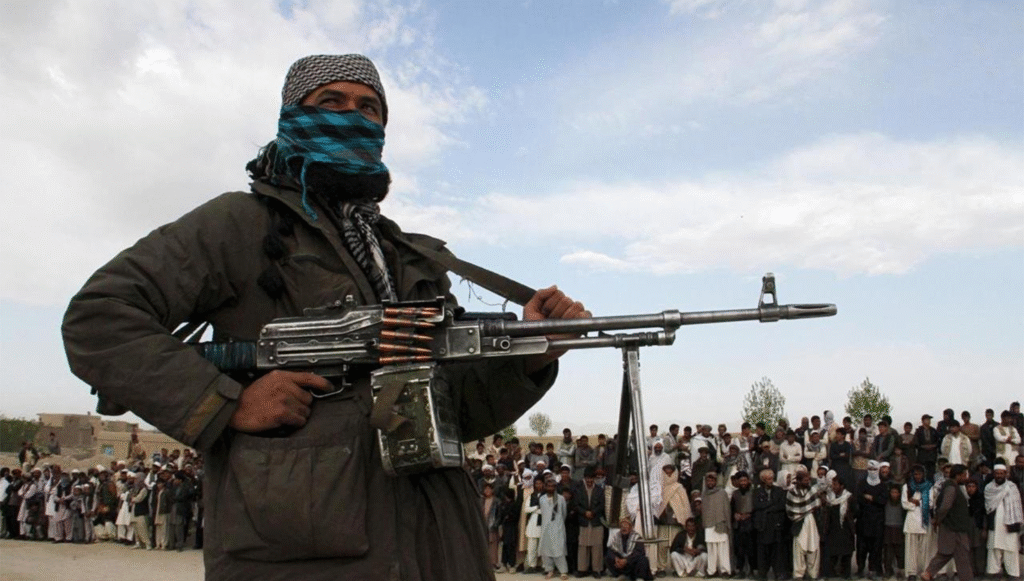
This did not happen. In fact, attacks in Pakistan surged. The TTP appears to operate with a degree of freedom from Afghan soil.
For the Afghan Taliban, this is a complex problem. The TTP were their allies in the 20-year war against US and NATO forces. Cracking down on them risks internal division and accusations of betrayal. However, failing to do so risks permanent conflict with Pakistan.
Will This Peace Last?
History provides reasons for skepticism. Previous ceasefires and border agreements have often failed. Trust between the two nations is extremely low.
However, there are also reasons for cautious optimism.
- International Mediation: The active involvement of Qatar and Türkiye adds significant weight to this deal. These mediators can act as guarantors and apply diplomatic pressure on both sides to honor their commitments.
- Severity of Clashes: The recent fighting was dangerously intense. It may have convinced leaders in both Kabul and Islamabad that the cost of conflict is too high.
- Economic Stakes: Both countries are facing severe economic challenges. A full-scale conflict would be economically ruinous. This provides a powerful incentive for peace.
The next steps are critical. The upcoming meeting in Istanbul will be a major test. Observers will be watching to see if both sides can move from a temporary truce to a permanent plan for border security.
Ultimately, the Afghanistan-Pakistan ceasefire deal has pulled both nations back from the brink. It has stopped the immediate bloodshed. However, the path to a lasting peace is long. It requires building trust and, most importantly, finding a real solution to the TTP militant threat.
Frequently asked questions (FAQs)
1. What is the new Afghanistan-Pakistan ceasefire deal?
It is an agreement reached in Doha on October 19, 2025, to immediately stop all military hostilities. The deal followed a week of deadly border clashes, including cross-border shelling and airstrikes.
2. Who mediated this agreement?
The high-level talks were held in Doha, Qatar, and were mediated by the governments of Qatar and Türkiye (Turkey).
3. Why were Afghanistan and Pakistan fighting?
The fighting escalated due to Pakistan’s security concerns. Pakistan accuses the Afghan Taliban of sheltering Tehreek-e-Taliban Pakistan (TTP) militants who, it claims, use Afghan soil to launch attacks inside Pakistan.
4. What did both sides agree to?
Both nations agreed to an immediate ceasefire, to refrain from supporting militant groups hostile to the other, and to avoid targeting civilians and infrastructure.
5. What is the next step?
They have scheduled a follow-up meeting for October 25, 2025, in Istanbul, Türkiye. This meeting will focus on the details of implementing the ceasefire and ensuring it becomes a sustainable, long-term peace.
For More Latest News & Updates : Visit Us